The Physics Trick That Keeps Cruise Ships From Flipping Over
March 14, 2026
27K views
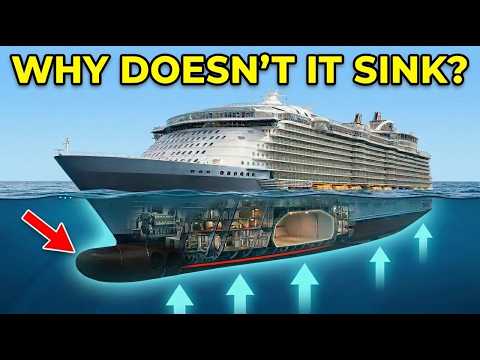
Ever wondered how a 900,000-ton cruise ship can float instead of sinking straight to the bottom of the ocean? At first glance, it seems impossible. These floating cities are longer than skyscrapers laid on their side, carrying thousands of passengers, restaurants, theaters, swimming pools, and entire shopping streets — all sitting on top of the water.
In this video, we break down what really keeps a massive cruise ship from sinking. The answer isn’t simply “because it’s hollow.” It’s a carefully balanced combination of physics, engineering, and design that allows these enormous vessels to displace enough water to stay afloat.
We’ll explore how buoyancy works, why the shape of a ship’s hull matters more than its weight, and how engineers distribute tens of thousands of tons of steel, machinery, fuel, and passengers without destabilizing the vessel.
You’ll also learn how cruise ships are divided into watertight compartments that prevent catastrophic flooding, why modern ships can survive major hull damage, and how stabilization systems keep these floating cities balanced even in rough seas.
By the end, you’ll understand the physics of displacement, the hidden engineering inside modern cruise ships, and why something weighing hundreds of thousands of tons can still glide safely across the ocean.
#CruiseShip #OceanEngineering #NavalArchitecture #HowItWorks #Buoyancy #ShipDesign #EngineeringExplained #OceanScience #MaritimeTechnology #CuriousEngineering 🚢🌊