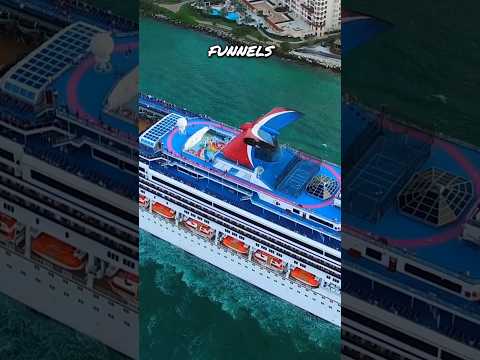
A zero emissions cruise ship using nuclear power for clean green energy #cruising #cruise #ships
September 2, 2023
13K views
Thanks for watching! Consider subscribing to my YouTube channel for more videos about cruising, cruise ships and ocean liners: @LetsAllCruise Or visit my website: https://letsallcruise.com/
The historic footage of NS Savannah was originally filmed by Sam Orleans Productions for the Maritime Administration, US Dept of Commerce, and US Atomic Energy Commission.
It was digitized by @whatisnuclear and used with permission.
The original 28 minute long film can be seen here: https://youtu.be/SA8W2Xpz2hA
Credits for footage of modern day ships:
- Pexels: Jean-Pablo Silva, Edgar Arroyo, Pimon Kumsri.
- Pond5: Miami2you, Pixabay, taden1.
- Other media from Envato, YouTube Studio audio library, and my own collection.
60 years ago, a cruise ship was built without a funnel. But why? It's one of the most recognizable features of any ship. And in fact, many cruise lines try to give their funnels a unique look like Carnival's famous whale tail. But it's not for decoration. Their job is to vent engine fumes away from the ship and its passengers. These are sometimes called smokestacks. You can see why. Cruise ships sail all over the world, often to incredibly beautiful locations, but you'll always see smoke coming out of their funnels. These ships consume a lot of power to keep everything running. So what was this unique ship without a funnel powered by? Well, in the 1950s, the U.S. government built a nuclear powered cruise ship as a showcase for peaceful uses of atomic energy. The NS Savannah launched in 1962 and traveled to many ports in the U.S. and beyond. Over a million people visited her. She was small, but had many of the things you would expect to see on a cruise ship, like a swimming pool, bar and dining room. Now, she did cost a lot to build and operate, but she was only ever designed to be a proof of concept, not a profitable enterprise. She'll be decommissioned this decade and after that, hopefully will be open to the public as an atomic era museum.
© 2023 by Let's All Cruise. All rights reserved. No part of this video may be reproduced or transmitted in any form or by any means, electronic or mechanical, without the written permission of the copyright holder.