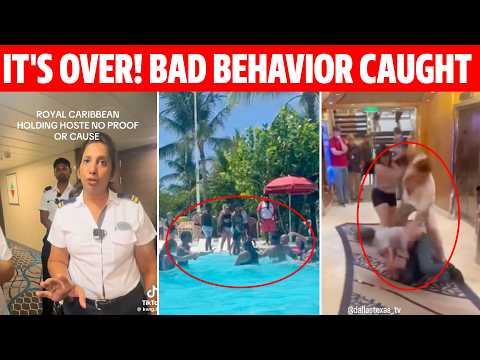
Royal Caribbean BANS These "Dumb" Behaviors! Don’t Get Forced Off the Ship.
February 7, 2026
2.2K views
Royal Caribbean BANS These "Dumb" Behaviors! Don’t Get Forced Off the Ship.
===
#cruiseship #cruise #cruisenow #caribbean
===
Royal Caribbean BANS These "Dumb" Behaviors! Don’t Get Forced Off the Ship.
Most people who get removed from a cruise ship never wake up thinking they did something wrong. They board with excitement, see the ship as a floating resort, and assume that being polite and avoiding obvious trouble is enough. That’s why removals feel so shocking. Many passengers never intend to break rules, but misunderstand how cruise lines—especially Royal Caribbean—define unacceptable behavior. Onboard, the standard isn’t intent or fairness. It’s a risk. To understand and avoid these risks before they ruin your cruise, let’s get into today’s episode of Cruise Now.
On a cruise ship, “dumb behavior” does not mean stupidity; it means creating risk.
Royal Caribbean BANS These "Dumb" Behaviors! Don’t Get Forced Off the Ship.
Cruise lines do not evaluate passengers based on intelligence, personality, or even moral judgment. They evaluate situations through a safety and liability lens. Any behavior that introduces unnecessary risk to the ship, other passengers, the crew, or operations can be flagged as unacceptable. This includes physical risks, emotional instability, operational disruptions, and even perceived threats. Unlike on land, where authorities often react after something goes wrong, cruise security is designed to intervene before a situation escalates. Prevention, not punishment, is the priority.
Royal Caribbean BANS These "Dumb" Behaviors! Don’t Get Forced Off the Ship.
Many removals begin with actions passengers genuinely believe are harmless.
Sitting on a railing to take a dramatic photo, hanging items from a balcony, stepping into a crew-only area out of curiosity, or bringing prohibited items onboard because “everyone does it” are all common examples. From a passenger’s perspective, these actions feel minor and are often normalized by social media or anecdotal stories. From Royal Caribbean’s perspective, each one represents a measurable risk. A railing photo introduces fall risk. A balcony hammock creates structural and liability concerns. A restricted area breach raises security issues. Prohibited items introduce legal and safety complications. In these situations, intent matters far less than outcome. You do not need to mean harm to create danger, and once danger is perceived, intervention becomes justified.