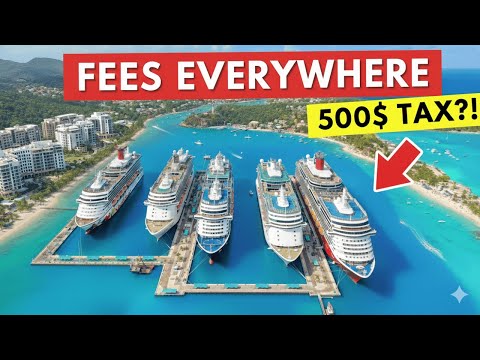
WARNING: Cruising in 2026 Will Cost More Than You Think
January 9, 2026
33 views
Cruising in 2026 is entering a new era of pricing—and it’s not as simple as higher ticket prices. This video breaks down how new cruise taxes, port fees, environmental surcharges, and onboard charges are quietly reshaping the true cost of cruising. While advertised cruise fares may stay relatively stable, passengers are increasingly paying more through hidden costs that appear before, during, and even after the trip.
You’ll learn why port cities are shifting infrastructure and tourism costs onto cruise passengers, how passenger head taxes and environmental regulations are being passed through in less obvious ways, and why short cruises and certain homeports may see the biggest price jumps. The video also explains how onboard spending, excursions, and “all-inclusive” cruise packages are being used to absorb rising costs without alarming travelers upfront.
Finally, this breakdown offers practical strategies experienced cruisers are already using—such as choosing lower-tax homeports, favoring longer itineraries, managing onboard spending, and booking strategically—to reduce exposure to rising cruise costs in 2025 and 2026.
If you want to avoid expensive surprises and understand where cruise pricing is really headed, this video gives you the clarity most travelers don’t get before they book.
Cruising in 2026 is about to get more expensive — and most travelers won’t see it coming.
New cruise taxes, hidden fees, port charges, and onboard costs are quietly being rolled out, changing the real price of cruising. While cruise fares may still look affordable, the total cost of a cruise in 2026 could be hundreds more than expected due to environmental fees, passenger taxes, port city surcharges, and rising onboard spending.
In this video, we break down what’s really changing with cruise pricing in 2026, why cruise lines aren’t raising fares the obvious way, and how new taxes and hidden cruise fees actually work. If you’re planning a cruise in 2025 or 2026 — or cruising regularly — this is information you need before you book.
You’ll learn:
Why cruise fares are misleading in 2026
New cruise taxes and passenger fees explained
Hidden cruise costs most travelers overlook
How port cities are shifting costs to passengers
Why short cruises may get more expensive
How environmental fees affect cruise pricing
What “all-inclusive” really means on cruises now
Smart strategies to reduce cruise costs in 2025–2026
Cruising isn’t disappearing — but the way cruise lines, ports, and governments charge passengers is changing fast. Understanding how cruise fees, port taxes, gratuities, and onboard charges are evolving can save you hundreds on your next trip.
If you care about cruise travel, cruise news, cruise pricing, and cruise tips, this breakdown will help you avoid expensive surprises and make smarter booking decisions.
👉 Watch until the end for practical strategies experienced cruisers are already using to stay ahead of rising cruise costs.
Key Facts Covered in This Video
Cruise fares are not rising as fast as total cruise costs, which increasingly include taxes, fees, and onboard charges.
Many cruise ports are shifting infrastructure, crowd control, and environmental costs directly to passengers instead of local residents.
Passenger head taxes are often charged per person, per port, which can significantly increase costs for families and groups.
Environmental and sustainability fees are frequently embedded into onboard service charges rather than listed as standalone taxes.
Short cruises tend to have higher costs per night because fixed fees are spread over fewer days.
“All-inclusive” cruise packages may still allow government-imposed taxes and port fees to change after booking.
Cruise loyalty programs typically do not offset new external taxes, even for frequent cruisers.
Excursions and onboard spending are increasingly used to absorb rising port and regulatory costs.
The cruise homeport can affect total cost as much as—or more than—the destination itself.
Strategic booking timing and itinerary selection can still reduce exposure to rising cruise costs in 2025–2026.
Why These Facts Matter
These changes don’t usually appear in headline cruise prices, which is why many travelers underestimate what a cruise will actually cost in 2026. Understanding where fees come from—and how they’re applied—can help you plan smarter and avoid unnecessary expenses.
Music: "Tropical Soul" by Luke Bergs
Licensed under Creative Commons Attribution-NoDerivatives 4.0 International (CC BY-ND 4.0)
Music promoted by Free Stock Music
📌 Disclaimer:
This video is for general informational purposes only and is not professional advice. Always consult a qualified expert before making financial or travel decisions.
#Cruising2026
#CruiseCosts
#CruiseNews
#CruiseTravel
#HiddenFees
#CruiseTips
#TravelCosts
#CruisePlanning
#CruiseIndustry
#TravelTips2026
#CruiseVacation